
 Wellness Plan
 Order Medication
 Register With Us
 Book Online





Donkeys
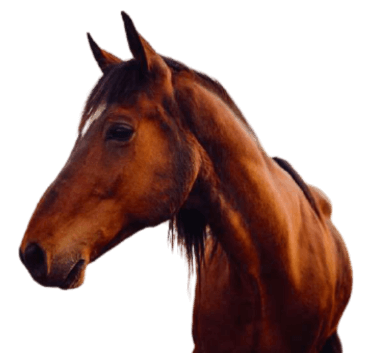
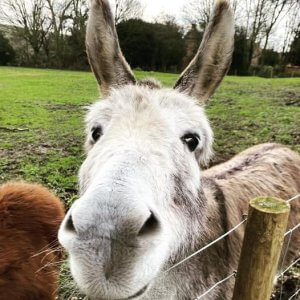
Donkeys are often thought of as ‘small horses’ but they are actually quite different animals with their own unique needs when it comes to health and care.
Here at Station House Vets we have our own ‘donkey vets’ who understand how differently donkeys need to be cared for and so we can ensure that donkeys receive the tailored veterinary support the deserve.
The team love working with donkeys, and as always it is a privilege for our team to be involved in their care.
Donkeys
Donkeys are often thought of as ‘small horses’ but they are actually quite different animals with their own unique needs when it comes to health and care.
Here at Station House Vets we have our own ‘donkey vets’ who understand how differently donkeys need to be cared for and so we can ensure that donkeys receive the tailored veterinary support the deserve.
The team love working with donkeys, and as always it is a privilege for our team to be involved in their care.

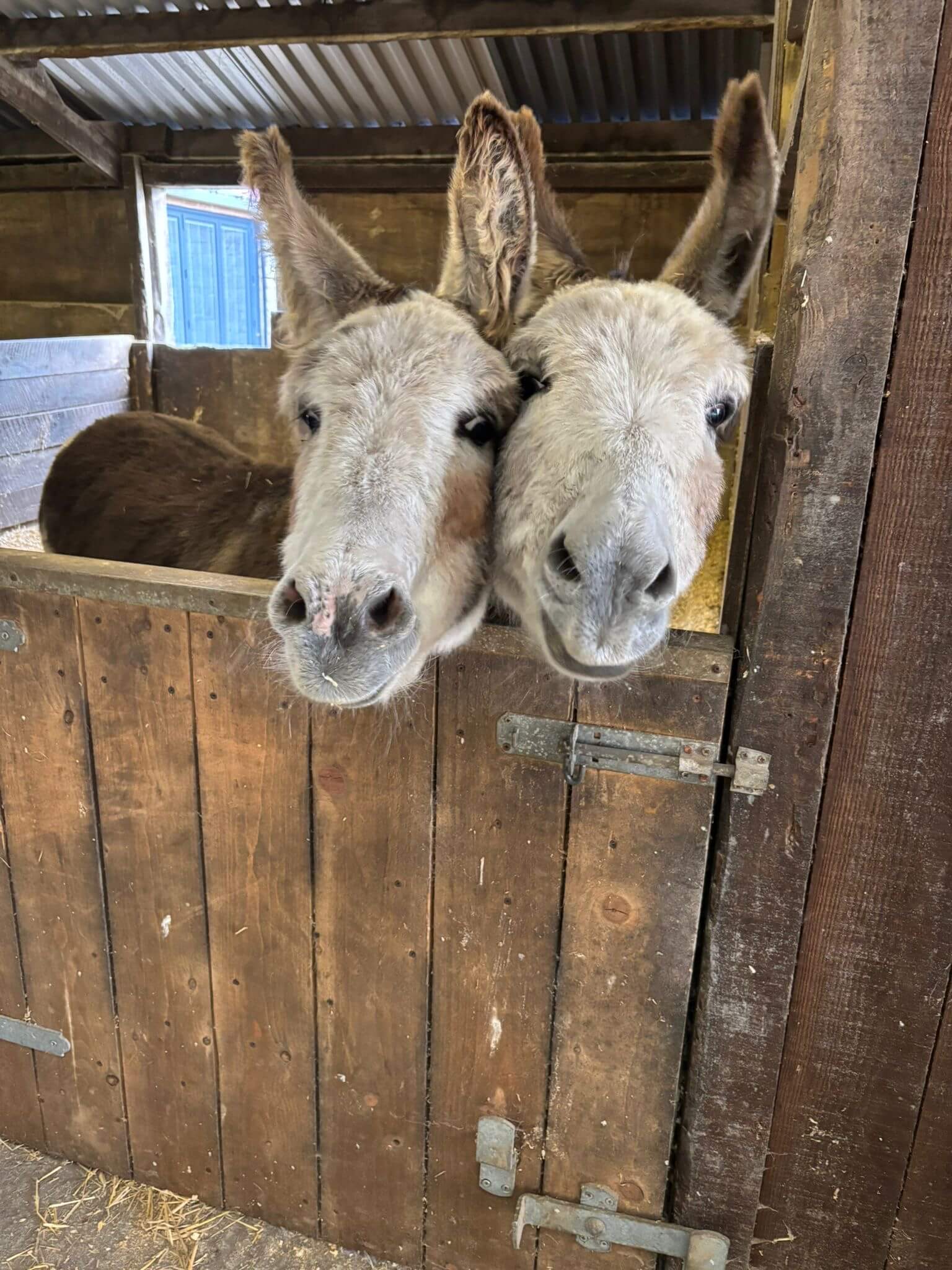
What is so different about donkeys?
Donkeys require a slightly different approach to veterinary care
From their nutrition and metabolism to the way they show pain or illness, they really do require a slightly different approach to veterinary care.
Donkeys are naturally very hard and incredibly stoic, which means they can sometimes hide signs of illness until a problem has become more advanced.
Their diet, weight management, parasite control and foot care all benefit from plans designed specifically with donkeys in mind rather than simply following horse routines.
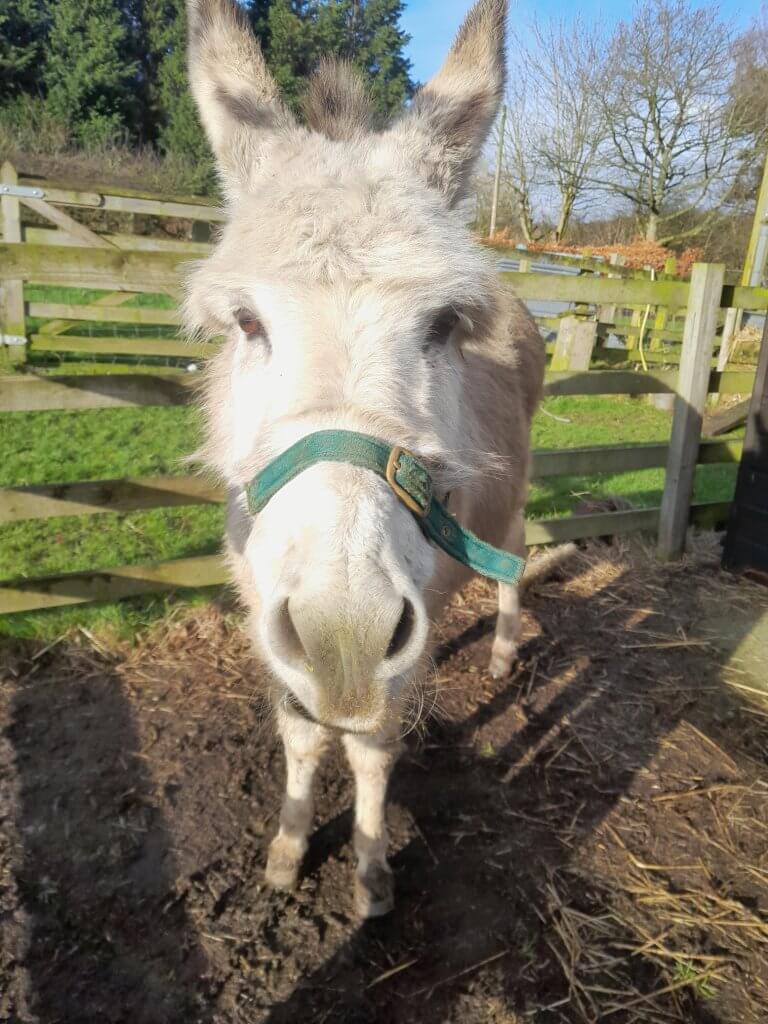
Donkeys are intelligence, curious animals with huge personalities, and everyone of them is an individual. Whether they are much-loved companions, therapy animals or part of a sanctuary herd, we love working with them and it is indeed a privilege!

What conditions can be treated with Acupuncture?

How will my pet respond to Acupuncture?
Most of the time they accept the fine needles very well and often become
relaxed and sleepy during the treatment Often they appear to look forward to the next treatment when they come back to the practice.
Sometimes animals may react to the sensation as though they are expecting pain, but then relax because it does not occur.
Treatment Regime
The first assessment, including treatment, is 45 minutes. This is followed by 3 x 30 minute treatments at weekly intervals.
Ongoing maintenance treatments are determined by your pets’ response to the initial course.
Treatment Regime
The first assessment, including treatment, is 45 minutes. This is followed by 3 x 30 minute treatments at weekly intervals.
Ongoing maintenance treatments are determined by your pets’ response to the initial course.

Frequently Asked Questions
It is uncommon for animals to need to be sedated. Perhaps surprisingly, cats and rabbits often accept acupuncture treatment very well, curling up and becoming sleepy.
The usual course is once a week for 4 weeks. After this initial course we will know whether acupuncture is working for your pet. Depending on the condition and how they have responded, we will work out a maintenance plan that involves tailoring the timing of treatments so the effect is maintained for as long as possible.
Acupuncture is very safe, in the right hands. Legally it must be performed by a veterinary surgeon. There have been no official reports of problems in animals, but there are some in humans and these can usually be avoided with care and a good knowledge of anatomy. There are a very few cases in which we would have to be very cautious about using acupuncture, but your veterinary acupuncturist can advise you of these.
After examination, needles will be put into various parts of the body and moved or stimulated a few times. There is no set “dose” of acupuncture as there is for medication, so your vet will judge how much to do based on your pet’s response both at the time and after the treatment. They may become sleepy and relaxed during the treatment.
It is not uncommon for pets to go home and sleep very soundly for a long time. This is a good sign and shows that your pet will probably respond well to acupuncture. There is no need to worry, however, if they are not sleepy – this does not mean that they will not respond.
Sometimes your pet may seem a little more euphoric than usual – this is also a good sign. However, it is advisable to keep them quiet for the rest of the day or they may overdo things.
Otherwise treat your pet normally after acupuncture. Do not change exercise, diet or medication unless it has been discussed with your vet.
Responses to treatments vary between animals:
- They may seem a little stiffer or more uncomfortable. This shows they should respond to treatment and after a day or two they will improve again and should be better than before. However, you must tell your vet so that they can adjust the treatment next time.
- You may see no response. It may just be that they will take a little longer or that their improvement after the first treatment was too brief or small for you to see. Not all animals or humans are acupuncture “responders”, but about 80% will be.
- You may see an improvement. This may occur anytime in the 3 days after treatment. The signs that we are trying to treat may then return before the next treatment, but this is fine. After each subsequent treatment the effects should last for longer, so that your pet’s maintenance treatments may be quite far apart.
Frequently Asked Questions
It is uncommon for animals to need to be sedated. Perhaps surprisingly, cats and rabbits often accept acupuncture treatment very well, curling up and becoming sleepy.
The usual course is once a week for 4 weeks. After this initial course we will know whether acupuncture is working for your pet. Depending on the condition and how they have responded, we will work out a maintenance plan that involves tailoring the timing of treatments so the effect is maintained for as long as possible.
Acupuncture is very safe, in the right hands. Legally it must be performed by a veterinary surgeon. There have been no official reports of problems in animals, but there are some in humans and these can usually be avoided with care and a good knowledge of anatomy. There are a very few cases in which we would have to be very cautious about using acupuncture, but your veterinary acupuncturist can advise you of these.
After examination, needles will be put into various parts of the body and moved or stimulated a few times. There is no set “dose” of acupuncture as there is for medication, so your vet will judge how much to do based on your pet’s response both at the time and after the treatment. They may become sleepy and relaxed during the treatment.
It is not uncommon for pets to go home and sleep very soundly for a long time. This is a good sign and shows that your pet will probably respond well to acupuncture. There is no need to worry, however, if they are not sleepy – this does not mean that they will not respond.
Sometimes your pet may seem a little more euphoric than usual – this is also a good sign. However, it is advisable to keep them quiet for the rest of the day or they may overdo things.
Otherwise treat your pet normally after acupuncture. Do not change exercise, diet or medication unless it has been discussed with your vet.
Responses to treatments vary between animals:
- They may seem a little stiffer or more uncomfortable. This shows they should respond to treatment and after a day or two they will improve again and should be better than before. However, you must tell your vet so that they can adjust the treatment next time.
- You may see no response. It may just be that they will take a little longer or that their improvement after the first treatment was too brief or small for you to see. Not all animals or humans are acupuncture “responders”, but about 80% will be.
- You may see an improvement. This may occur anytime in the 3 days after treatment. The signs that we are trying to treat may then return before the next treatment, but this is fine. After each subsequent treatment the effects should last for longer, so that your pet’s maintenance treatments may be quite far apart.