
 Wellness Plan
 Order Medication
 Register Your Pet
 Book Online




 About Us


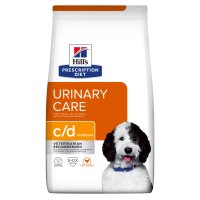
Hill’s urinary care for dogs
Urinary care
Hill’s urinary diets work by creating an environment that discourages the formation of urinary stones through a combination of a controlled mineral content, specific pH levels, and other key ingredients. They achieve this by including ingredients like potassium citrate to make urine less acidic and reduce the risk of some stone types, while also lowering levels of magnesium, calcium, and phosphorus, which are building blocks for many urinary crystals. Additionally, these diets contain omega-3 fatty acids to help manage inflammation in the urinary tract.
Key mechanisms of action:
Controlled mineral levels:
- The diets have reduced levels of magnesium, calcium, and phosphorus to minimize the “building blocks” needed to form certain types of stones.
Urine pH control:
- They include urine-alkalizing ingredients, like potassium citrate, to help achieve a specific pH level that is less favourable for certain types of stone formation.
Urine under saturation:
- Specific formulations are designed to undersaturated the urine, which helps prevent new crystals from forming or helps dissolve existing ones.
Omega-3 fatty acids:
- Added fish oil provides omega-3s to help combat inflammation associated with urinary tract issues.
Targeted protein and antioxidants:
- Some diets also have reduced, high-quality protein to lower purine levels, and include high levels of antioxidants like Vitamin E to help neutralize free radicals.
Weight management:
- Certain formulations, like c/d Multicare + Metabolic, have a controlled calorie content to help support weight loss, as obesity can be a risk factor for urinary problems.
Important considerations
Veterinary recommendation : these are therapeutic foods that should only be fed under the guidance of a et, who will determine the specific diet and feeding plan for your dog.
Gradual transition : when switching to a new food, it is recommended to do so slowly over 7–10 days to avoid gastrointestinal upset.
Long term use suitability : many Prescription Diet products are suitable for long-term feeding, but your vet will advise on the best approach for your dog’s individual needs.
Want to chat to our team about nutrition for your dog?
- Call and speak to our veterinary nursing team in the first instance
- Book a free nutrition consult with one of our nurses
Call the team on 01653618303 to book your appointment now!
Hill’s Loyalty Scheme
Did you know there is a Hill’s Loyalty Scheme?
Each time you purchase any of the Hill’s products, you can get cash back against your purchase. Click Hill’s Loyalty Scheme to find out more.
Hill’s & Wellness Plan discount
You can also get 10% off your Hill’s food if you are on the Station House Vets Wellness Plan. Visit our Wellness Plan page to find out more.
Hill’s urinary care for dogs
Urinary care
Hill’s urinary diets work by creating an environment that discourages the formation of urinary stones through a combination of a controlled mineral content, specific pH levels, and other key ingredients. They achieve this by including ingredients like potassium citrate to make urine less acidic and reduce the risk of some stone types, while also lowering levels of magnesium, calcium, and phosphorus, which are building blocks for many urinary crystals. Additionally, these diets contain omega-3 fatty acids to help manage inflammation in the urinary tract.
Key mechanisms of action:
Controlled mineral levels:
- The diets have reduced levels of magnesium, calcium, and phosphorus to minimize the “building blocks” needed to form certain types of stones.
Urine pH control:
- They include urine-alkalizing ingredients, like potassium citrate, to help achieve a specific pH level that is less favourable for certain types of stone formation.
Urine under saturation:
- Specific formulations are designed to undersaturated the urine, which helps prevent new crystals from forming or helps dissolve existing ones.
Omega-3 fatty acids:
- Added fish oil provides omega-3s to help combat inflammation associated with urinary tract issues.
Targeted protein and antioxidants:
- Some diets also have reduced, high-quality protein to lower purine levels, and include high levels of antioxidants like Vitamin E to help neutralize free radicals.
Weight management:
- Certain formulations, like c/d Multicare + Metabolic, have a controlled calorie content to help support weight loss, as obesity can be a risk factor for urinary problems.
Important considerations
Veterinary recommendation : these are therapeutic foods that should only be fed under the guidance of a et, who will determine the specific diet and feeding plan for your dog.
Gradual transition : when switching to a new food, it is recommended to do so slowly over 7–10 days to avoid gastrointestinal upset.
Long term use suitability : many Prescription Diet products are suitable for long-term feeding, but your vet will advise on the best approach for your dog’s individual needs.
Want to chat to our team about nutrition for your dog?
- Call and speak to our veterinary nursing team in the first instance
- Book a free nutrition consult with one of our nurses
Call the team on 01653618303 to book your appointment now!
Hill’s Loyalty Scheme
Did you know there is a Hill’s Loyalty Scheme?
Each time you purchase any of the Hill’s products, you can get cash back against your purchase. Click Hill’s Loyalty Scheme to find out more.
Hill’s & Wellness Plan discount
You can also get 10% off your Hill’s food if you are on the Station House Vets Wellness Plan. Visit our Wellness Plan page to find out more.